Safety Management and Environmental Compliance

About Course
This course equips learners with the knowledge and tools to understand and apply safety and environmental standards in the maritime industry. Focusing on the implementation of the ISM Code, safety drills, pollution control, and emissions regulations, the course explores how shipping companies can manage operational risks and meet international compliance standards while improving environmental performance.
Descriptive Points
- Learn the key elements of the ISM Code and its operational application
- Understand the importance of safety drills, audits, and crew training
- Explore environmental compliance under MARPOL and IMO 2020 regulations
- Examine shipboard safety systems and emergency response protocols
- Discover trends in sustainable shipping and environmental technology
Course Content
Shipping Management (Intermediate Level)
-
Safety Management and Environmental Compliance
11:24 -
Quiz
Earn a certificate
Add this certificate to your resume to demonstrate your skills & increase your chances of getting noticed.
Student Ratings & Reviews

Related Courses
Maritime Law Basics and Insurance
- Understand the sources and principles of maritime law
- Learn how contracts and claims operate in a maritime context
- Examine key conventions such as Hague-Visby Rules and COGSA
- Explore marine insurance types: hull, cargo, and P&I
- Study real-life claims and dispute resolution mechanisms
Chartering Fundamentals and Freight Market Dynamics
- Master the process of negotiating and concluding charter parties
- Understand the supply and demand factors behind freight rate fluctuations
- Explore the roles of shipbrokers and freight derivatives
- Learn about key market indices such as the Baltic Exchange
- Gain exposure to digital chartering platforms and trends
Shipping Operations and Voyage Planning
- Learn how voyage planning impacts operational and commercial success
- Explore routing, weather, and navigational tools
- Understand port rotation, bunkering, and voyage cost estimation
- Gain insight into operational KPIs and real-time voyage management
- Examine the integration of safety and compliance into operations
Ship Management, Logistics, and Port Operations
- Understand the fundamentals of technical and commercial ship management
- Learn the logistics processes from port to port
- Explore the infrastructure and functionality of major ports
- Examine cargo handling, customs procedures, and hinterland connectivity
- Discover how digital tools enhance coordination and operations
Maritime Law, Safety, and Environmental Regulations
- Understand the scope and purpose of maritime law
- Identify international conventions such as SOLAS, MARPOL, and UNCLOS
- Explore safety procedures and responsibilities on board
- Examine environmental regulations and their impact on operations
- Learn about enforcement bodies and legal liabilities
Chartering, Freight Rates, and Commercial Agreements
- Understand different types of chartering agreements: voyage, time, and bareboat
- Learn how freight rates are calculated and negotiated
- Explore standard maritime contracts such as charter parties and bills of lading
- Identify the commercial risks and liabilities in shipping agreements
- Gain practical exposure to chartering negotiations and documentation
Types of Vessels and Shipping Operations
- Differentiate between major vessel types such as container ships, tankers, and bulk carriers
- Understand how vessel design impacts trade operations
- Explore cargo-specific vessel requirements
- Learn about basic shipping operations and voyage planning
- Identify key crew roles and their responsibilities
Introduction to the Shipping Industry and Maritime Trade
- Understand the fundamental role of shipping in global trade
- Explore the historical development and modern dynamics of maritime transport
- Identify key stakeholders in the shipping industry
- Learn basic shipping and trade terminology
- Examine global shipping routes and trade hubs
Civil Society, NGOs, and Ethical Expectations
- Understand the role of civil society in shaping business ethics
- Examine NGO-business relations and ethical collaborations
- Analyse public expectations and reputational risk
- Evaluate corporate responses to social and environmental campaigns
- Learn how to engage ethically with critics and external stakeholders
Suppliers, Competitors, and Fair Trade
- Understand ethical obligations to suppliers and competitors
- Explore fair trade practices and ethical sourcing standards
- Examine anti-competitive practices and their ethical implications
- Learn to evaluate and manage supply chain risks
- Apply ethical reasoning to B2B and market conduct decisions
Consumers and Ethical Marketing
- Understand the ethical principles guiding marketing practices
- Examine consumer rights and ethical obligations of businesses
- Explore responsible advertising, labelling, and product representation
- Assess ethical issues in digital marketing and data privacy
- Learn to create ethical marketing strategies that build long-term trust

Emerging Issues: Technology, Gender, and Inequality
- Understand the ethical implications of AI, automation, and data technologies
- Explore ethical leadership in gender equity and workplace diversity
- Evaluate the business impact of rising inequality
- Analyse emerging ethical dilemmas in global innovation and disruption
- Design inclusive and forward-looking ethical frameworks
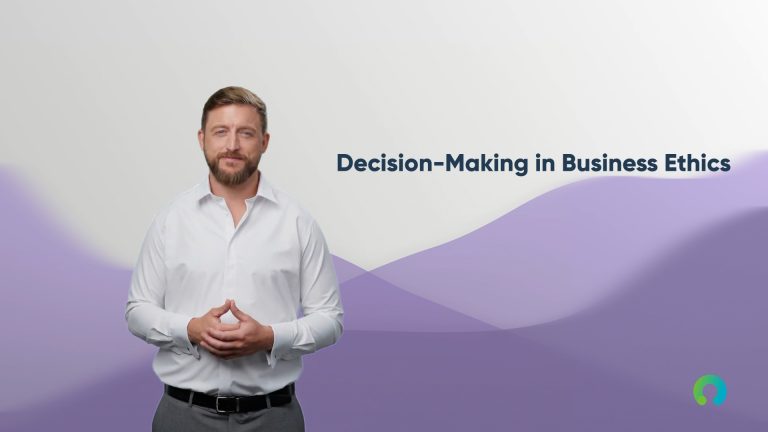
- Understand the process of ethical decision-making
- Explore common moral dilemmas in the workplace
- Learn structured frameworks to support ethical choices
- Apply ethical reasoning to real business cases
- Improve critical thinking and accountability