Introduction to the English Legal System – Part 3


By ELAZ Uncategorized
Wishlist Share
Share Course
Page Link
Share On Social Media

About Course

Welcome to the course on Judicial Precedent and Statutory Interpretation!

This course is designed to provide you with a comprehensive understanding of the two fundamental methods used to interpret and apply the law in common law systems: judicial precedent and statutory interpretation. Through this course, you will gain an understanding of the role of precedent in the common law system, and how the doctrine of stare decisis operates in practice. You will examine the different types of precedent, and how they are used in legal reasoning and argumentation. You will also explore the process of statutory interpretation, including the principles of statutory interpretation and the different approaches that can be used to interpret statutes. You will learn about the role of legislative intent and the different sources of interpretation that can be used to determine the meaning of a statute.

Throughout the course, you will engage with a variety of legal texts, cases, and statutes to deepen your understanding of judicial precedent and statutory interpretation. You will also be encouraged to engage in critical thinking and analysis, developing your skills in legal reasoning and argumentation.

By the end of this course, you will have a strong understanding of the principles of judicial precedent and statutory interpretation and how they are applied in the common law system.

Show More

What Will You Learn?

  • You will be equipped with the tools to critically evaluate legal issues, and to engage in debates about the role of precedent and statutory interpretation in contemporary legal practice.
  • To understand how the common law was developed
  • To understand how the doctrine of judicial precedent developed and to define it
  • To understand the difference between vertical and horizontal precedent
  • To understand the advantages and disadvantages of the case law system
  • To describe the doctrine of judicial precedent as a self-imposed rule
  • To consider the balance between fairness and justice vs. predictability and uncertainty.
  • To explain the operation of judicial precedent in the hierarchy of the courts
  • To describe the responsibility of the Supreme Court in the application of the doctrine and the role of the practice statement
  • To describe the role of the Court of Appeal in the application of judicial precedent and the role of the Bristol Aeroplane Case.
  • To describe the role of the lower courts in the application of judicial precedent
  • To explain the role of the Human Rights Act 1998 in the application of judicial precedent
  • To understand the arguments for and against judicial law-making
  • Explain the importance of statutory interpretation
  • Describe the constitutional role of judges
  • Describe and provide examples of the literal rule of interpretation
  • Describe and provide examples of the golden rule of interpretation
  • Describe and provide examples of the mischief rule of interpretation
  • Understand the limitations and disadvantages of the traditional rules of interpretation
  • Explain and provide examples of the purposive rule of interpretation
  • Explain the various aids to statutory interpretation including, presumptions, rules of language, internal aids and external aids.
  • Explain the difference between common law and civil modes of interpretation
  • Describe the impact of the Human Rights Act 1998 on statutory interpretation
  • Describe various examples of statutory interpretation in human rights cases.

Course Content

How Judicial precedent operates in the UK

  • How Judicial precedent operates in the UK
  • How Judicial precedent operates in the UK – Quiz

How statutory interpretation operates

Earn a certificate

Add this certificate to your resume to demonstrate your skills & increase your chances of getting noticed.
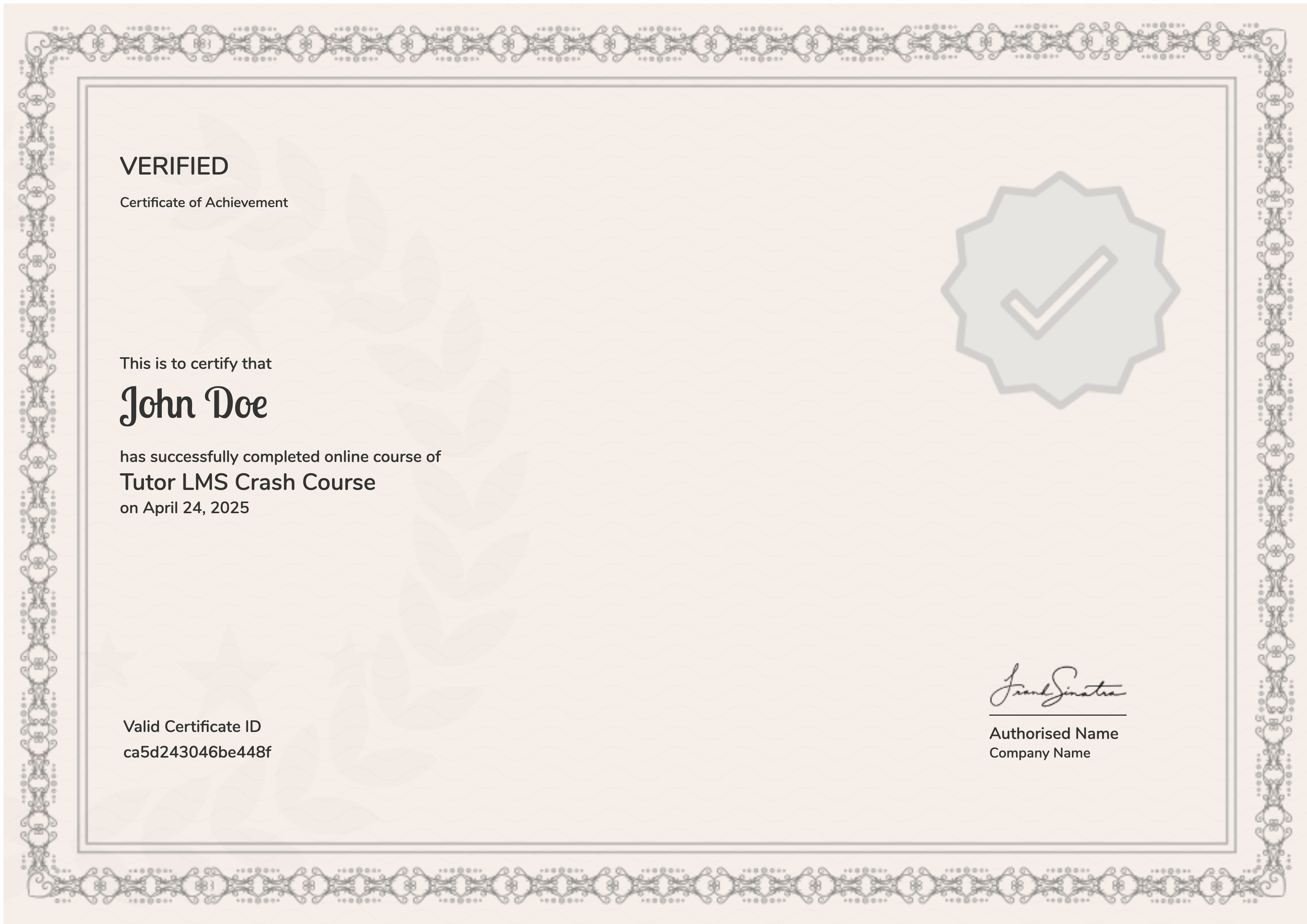
selected template

Student Ratings & Reviews

No Review Yet
No Review Yet
No Attachment Found
No Attachment Found
Upload Video to Vimeo
0%