Introduction to ADR for Lawyers


By ELAZ Uncategorized
Wishlist Share
Share Course
Page Link
Share On Social Media

About Course

The Introduction to Alternative Dispute Resolution (ADR) course provides students with a comprehensive overview of the various methods and principles of resolving disputes outside of traditional litigation. ADR has gained significant recognition as an effective means of resolving conflicts in a more collaborative, efficient, and cost-effective manner.

Throughout this course, students will explore the fundamental concepts, techniques, and practices of ADR, equipping them with the knowledge and skills necessary to navigate and engage in alternative dispute resolution processes. The course covers a range of ADR methods, including negotiation, mediation, arbitration, and hybrid processes, allowing students to develop a well-rounded understanding of the field.

Descriptive Points

Key Topics Covered: Introduction to ADR: Understanding the concept, scope, and significance of ADR as an alternative to traditional litigation. Exploring the historical and cultural contexts that have contributed to the rise of ADR. Negotiation: Exploring the principles, strategies, and techniques of negotiation. Examining various negotiation models and approaches to achieve optimal outcomes in different scenarios. Mediation: Understanding the mediation process and its role in resolving disputes. Studying the mediator's role, ethical considerations, and effective communication techniques in facilitating productive negotiations. Arbitration: Analyzing the principles and procedures of arbitration as a binding method of dispute resolution. Examining the advantages, limitations, and enforcement of arbitration awards. Hybrid Processes: Exploring innovative and emerging ADR methods that combine elements of multiple processes, such as med-arb, arb-med, and mini-trials. Assessing their benefits and potential challenges.
Show More

What Will You Learn?

  • By the end of the course, students will have a solid foundation in ADR. They will understand the advantages, limitations, and ethical considerations associated with each method.

Course Content

Unit 1: An Introduction to ADR

  • An Introduction to ADR

Unit 2: Negotiation as an ADR method.

Unit 3: Mediation as an ADR method.

Unit 4: Arbitration as an ADR method

Unit 5: Hybrid ADR methods.

Unit 6: Why lawyers should consider ADR for clients

Unit 7: Practical Tips

Quiz

Earn a certificate

Add this certificate to your resume to demonstrate your skills & increase your chances of getting noticed.
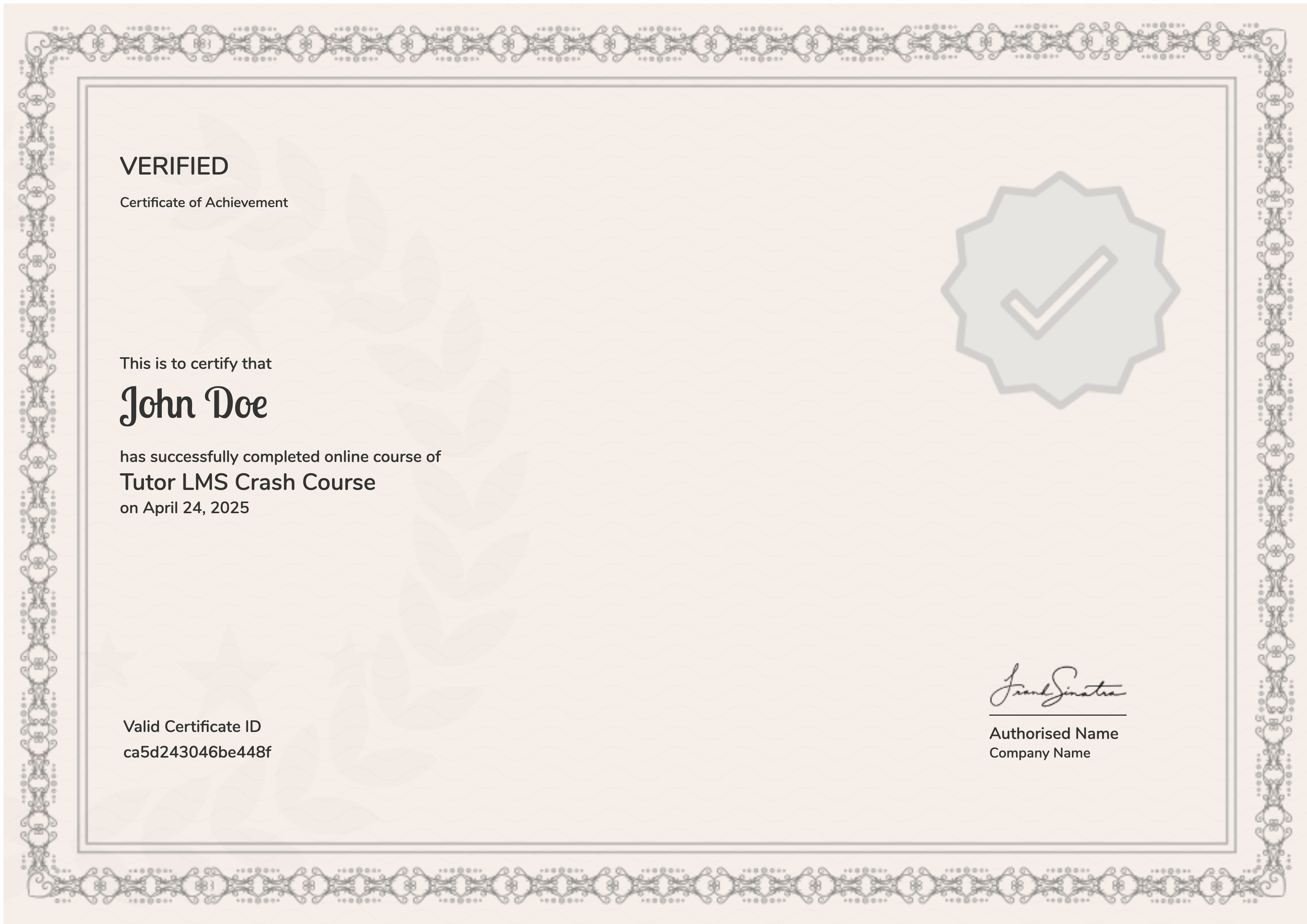
selected template

Student Ratings & Reviews

No Review Yet
No Review Yet
No Attachment Found
No Attachment Found
Upload Video to Vimeo
0%